
On this page
British Columbia is ocean fjords, three mountain ranges, wine country and more provincial parks than any other province. It is also terrain that takes weather seriously, which is why a BC trip starts with one bookmark: DriveBC.
Roads and driving
- DriveBC carries closures, construction and the webcams that let you look at the Coquihalla summit before committing to it.
- Winter tire or chain rules apply on most highways October 1 to April 30, to March 31 on some southern routes. M+S is the legal minimum; mountain-snowflake tires are the real answer.
- Mountain passes (Coquihalla, Rogers Pass, the Duffey) are serious in winter and casually beautiful in summer. Fuel up before them either way.
- BC Ferries is part of the highway system: reserve for summer sailings to Vancouver Island, or arrive early and hold a coffee.
What it costs
| Cost | Typical | Notes |
|---|---|---|
| Sales tax | 12% | Added at the till, not shown on the shelf |
| Hotel tax on top | 8% + 2 to 3% | Provincial room tax plus a municipal levy; Vancouver adds more |
| Provincial campsite | $20 to $40 a night | Plus a reservation fee; day use in BC Parks is free |
| National park entry | Set by each park; youth 17 and under free | The annual Discovery Pass wins past about seven park days |
| Ferry to Vancouver Island | About $20 per adult plus $70 for a car | Reservations cost extra and sell out on summer weekends |
| Fuel | The highest in Canada | Metro Vancouver adds a transit tax; fill up before the city |
Checked August 2026. Park fees and ferry fares change annually; BC Parks and BC Ferries carry the current numbers.
Fire bans and camping
BC posts campfire prohibitions by fire centre, and in a dry July most of the province is under one. Category 1 is the campfire you are imagining; the fire bans page shows current bans and the BC Wildfire Service tracks active fires. Campgrounds book through BC Parks, and the popular ones sell out the moment their window opens. The free alternative is genuinely free: Crown land camping is allowed for up to 14 days at a spot, and Recreation Sites and Trails BC lists over a thousand rustic sites. National parks book through Parks Canada instead.
Rules and practicalities
| Category | In British Columbia |
|---|---|
| Top speed limit | 120 km/h on the Coquihalla and Okanagan Connector, the highest posted in Canada |
| Tolls | None. Every BC highway and bridge toll was removed in 2017 |
| Alcohol | 19. Government and private liquor stores; almost no beer in ordinary grocery aisles |
| Cannabis | 19. BC Cannabis Stores and licensed private shops |
| Time zone | Pacific, except the Kootenays and the Peace region, which run on Mountain |
| Bears | Black and grizzly. Bear spray, food lockers and a clean camp are rules, not advice |
| Emergency | 911 across the province, but cell coverage drops in the passes and along the inlets |
| Health cover | Other provinces' cards are accepted; visitors from abroad need insurance |
When to go
| Season | Best for | Watch for |
|---|---|---|
| May to June | Waterfalls at peak melt, thin crowds, cheaper rooms | Snow closes alpine trails into July |
| July to August | Warm lakes, every road open, ferry season | Fire bans, wildfire smoke, campgrounds booked out |
| September to October | Larch season, quiet parks, salmon runs | Alpine weather turns fast and services start closing |
| November to April | Skiing, Tofino storm-watching, cheap coastal stays | Pass closures, chain-ups, short daylight |
The stops worth planning around
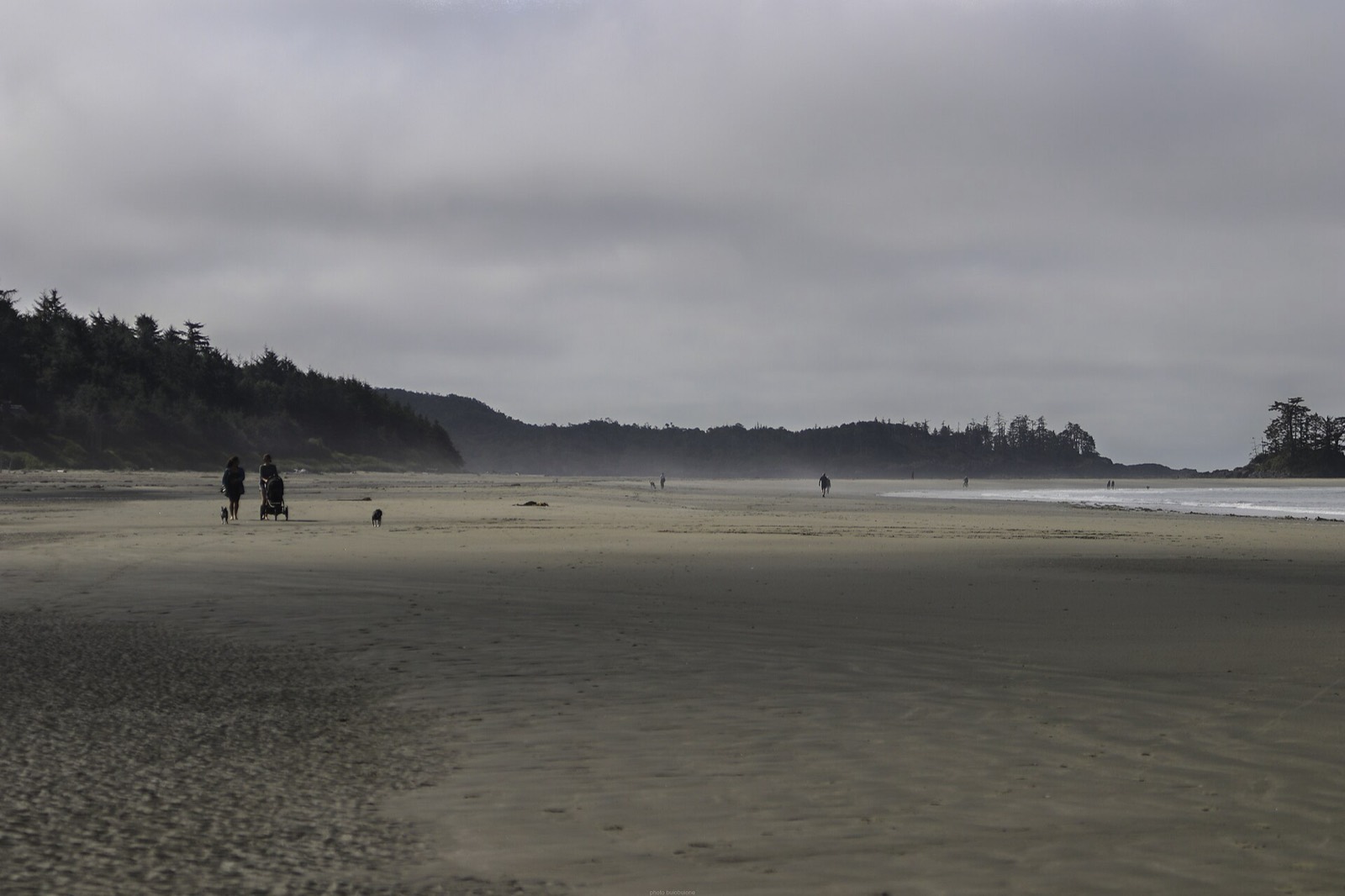
- Tofino and Pacific Rim: surf, storm-watching and old growth (park guide).
- The Sea to Sky: Vancouver to Whistler past Shannon Falls and the Stawamus Chief, the best two hours of highway in the province.
- The Okanagan: lake towns and vineyards, Canada's answer to a hot summer.
- Wells Gray: waterfall country, with Helmcken Falls two and a half times Niagara's height.
- The Kootenays: hot springs, Nelson's brick, and free inland ferries.
- Haida Gwaii: the far archipelago of totem poles and ancient villages; plan it properly and it repays all of it.
Location: Tofino, Vancouver Island
Location: Helmcken Falls, Wells Gray
The official pages
- DriveBC Road conditions, closures and highway webcams. https://www.drivebc.ca
- BC fire bans Current campfire and open-burning prohibitions by region. https://www2.gov.bc.ca/gov/content/safety/wildfire-status/prevention/fire-bans-and-restrictions
- BC Parks camping Provincial campground reservations. https://camping.bcparks.ca
- Recreation Sites and Trails BC The rustic and free sites on Crown land. https://www.sitesandtrailsbc.ca
- BC Ferries Coastal sailings, schedules and reservations. https://www.bcferries.com
- Hello BC The provincial tourism site for regions and itineraries. https://www.hellobc.com
Common questions
- Do I need winter tires in BC?
- On most highways outside the south coast, yes: winter tires or chains are required from October 1 to April 30, signed on the routes and checked in the mountains. The M+S marking is the legal minimum, and the mountain-snowflake symbol is the standard worth actually having.
- Can you camp for free in British Columbia?
- Yes. Camping on Crown land is free for up to 14 days at one site, and Recreation Sites and Trails BC maintains hundreds of rustic campsites that charge little or nothing. Come self-sufficient, pack everything out, and check the current fire status first.
- What is the sales tax in British Columbia?
- Twelve percent on most purchases: 5 percent federal GST plus 7 percent provincial PST, checked August 2026. Hotel stays carry 8 percent provincial tax on the room plus a municipal levy of 2 or 3 percent, so lodging lands around 15 percent over the quoted rate.
- Are there tolls on BC highways?
- No. British Columbia removed tolls from the Port Mann and Golden Ears bridges in 2017 and has none on its highways today. The recurring travel cost here is BC Ferries, not tolls, and summer sailings are worth reserving in advance.
Tip
Heading east? The Rockies parks straddle the BC-Alberta line, and the Alberta guide picks up where DriveBC hands you to 511 Alberta.