
On this page
North America without a car is not Europe, and pretending otherwise ruins trips. But it is far better than its reputation on specific corridors, and on a handful of routes the train is not a compromise at all, it is the best version of the trip. The skill is knowing which kind of route you are looking at.
Where it genuinely works
- The Quebec City to Windsor corridor: VIA's frequent trains link Quebec City, Montreal, Ottawa and Toronto downtown to downtown, and beat driving on time once parking enters the math.
- The US Northeast: Amtrak's Boston, New York, Philadelphia, Washington spine runs all day and arrives in the middle of everything.
- The Pacific Northwest: Amtrak Cascades ties Vancouver, Seattle and Portland together at exactly the pace of that coastline.
- City trips generally: Toronto, Montreal, Vancouver, New York, Chicago and Boston are all better without a vehicle than with one.
The rides that are the destination
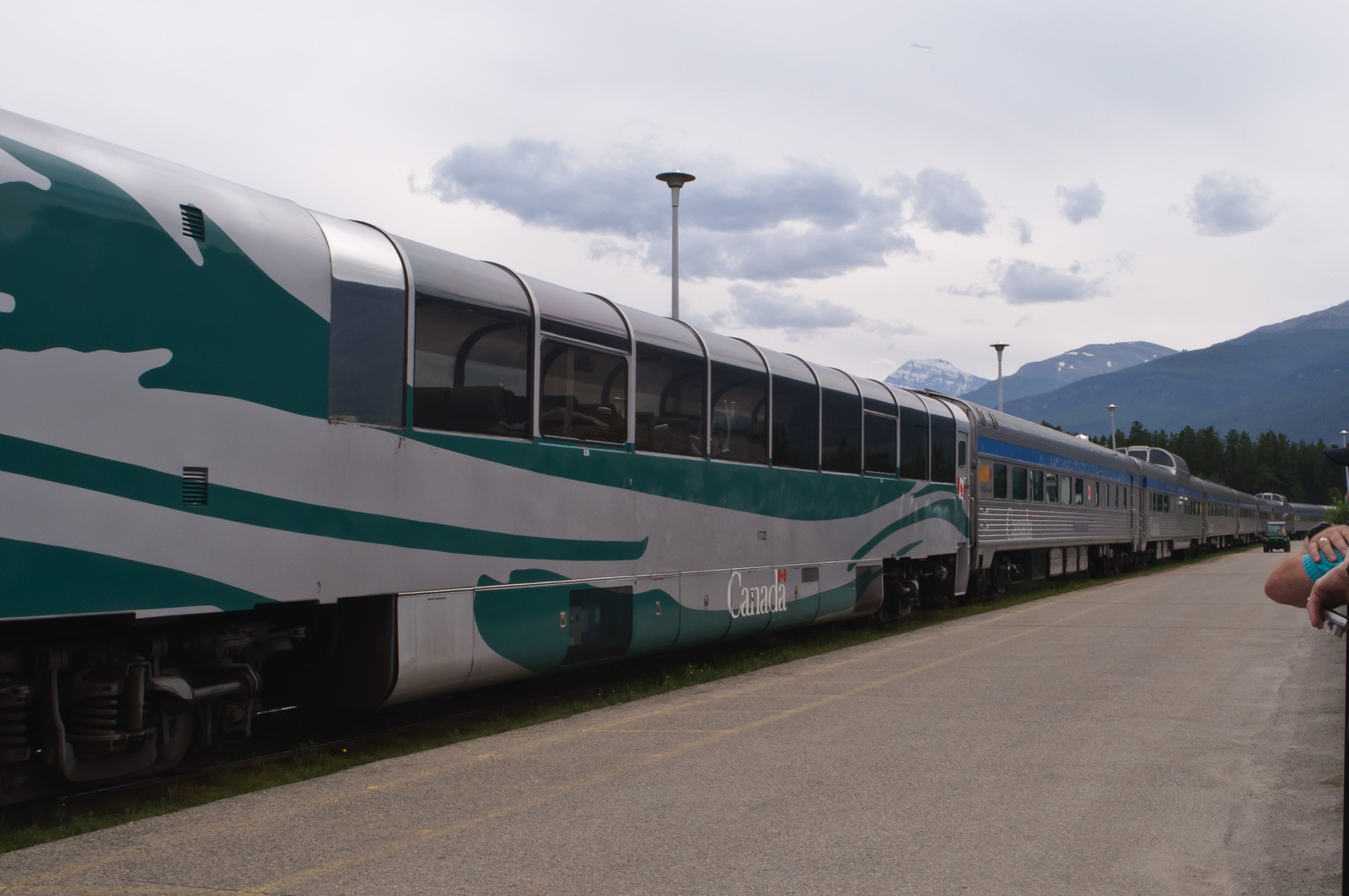
- The Canadian, Toronto to Vancouver: four nights, prairie sunrises and a Rockies finale from the dome car. Sleeper classes sell out months ahead for summer.
- The Ocean, Montreal to Halifax overnight, the Maritimes without a highway.
- Winnipeg to Churchill: two nights north to polar bear country, and the only surface route there; Churchill has no road at all.
- Amtrak's western long-hauls: the California Zephyr through the Rockies and Sierra, the Empire Builder along the northern parks, the Coast Starlight down the Pacific slope. Book a roomette and it is a cruise on rails.
Buses and ferries fill the gaps
Intercity buses have consolidated but still cover real ground: FlixBus and Megabus on the big corridors, Rider Express across the Prairies and BC, Maritime Bus holding the Atlantic provinces together. On the coasts, ferries are transit: BC Ferries walk-on fares to the islands cost a fraction of the vehicle fare, and Washington State Ferries do the same for Puget Sound. The honest gaps are the national parks and rural distances generally; for Banff and Jasper, mountain shuttle operators bridge Calgary and the park towns, and beyond that the answer is a rental car for just the park days, not the whole trip.
The operators
- VIA Rail Corridor schedules and the long-distance trains, including the Canadian. https://www.viarail.ca
- Amtrak US routes, the USA Rail Pass, and roomette fares on the long-hauls. https://www.amtrak.com
- BC Ferries Vancouver Island and Gulf Islands sailings; walk-on needs no reservation. https://www.bcferries.com
- Maritime Bus The intercity network across New Brunswick, Nova Scotia and PEI. https://www.maritimebus.com
Common questions
- Can you travel Canada without a car?
- Yes on the right routes: the Quebec City to Windsor corridor by train, the big cities by transit, the Maritimes by Maritime Bus, and the flagship long-hauls like the Canadian and the Churchill train. Rural areas and the mountain parks are the gaps, usually solved with a short-term rental or shuttle.
- Is the VIA Rail Canadian worth the price?
- As transportation, no; flying is cheaper and ninety times faster. As a four-night rolling hotel through the Prairies and Rockies with meals and a dome car, it is one of the world's great train trips and prices like it. Economy seats exist for the budget version.
- How do you get to Banff without a car?
- Fly to Calgary and take the Banff Airporter or Brewster Express to Banff, then ride Roam: local routes in town, the 8X to Lake Louise, and in summer the Roam Super Pass, which adds the Parks Canada Lake Connector to Moraine Lake. The Parks Canada shuttles themselves leave from the Lake Louise Park and Ride, which takes a car to reach. The Banff without a car plan has the buses, seasons and waits day by day.
Tip
Trains and buses drop into a Treader plan as journey legs the same way flights do, so a mixed itinerary stays one timeline.