
On this page
A bad first camping trip usually is not caused by weather or gear. It is caused by arriving after dark at a site nobody had checked, with a tent nobody had pitched before. Every one of those is fixable in advance.
Choose the easy version first
- One night, close to home. If it goes wrong you drive home and it is an anecdote rather than an ordeal.
- A serviced campground, with toilets, water and a warden. Wild camping is better later, not first.
- A site with a picnic table and a fire ring. These make an evening dramatically more pleasant.
- Shoulder season, not high summer. Cooler nights, fewer insects, easier bookings.
- Avoid the bottom of a hollow, which collects cold air and water, and the very top of a rise, which collects wind.
Pitch the tent in the garden first
Do this once. It takes 20 minutes, it tells you whether all the poles and pegs are actually in the bag, and it means you are not reading instructions by phone light in the rain. This is the single highest value thing on this page.
The arrival routine
- 1 Arrive at least two hours before sunset. This is the rule that prevents most first-trip disasters.
- 2 Walk the site before you unload. Look for level ground, drainage, overhead dead branches and how far the toilets are.
- 3 Pitch the tent first, before anything else, even if the weather is fine. Weather changes.
- 4 Set out your headtorch and warm layer before you need them, while you can still see.
- 5 Then cook, then sit down. In that order.
Food that works
Night one is not the night for ambitious cooking. Something one-pot, or genuinely just sausages and bread. Bring a proper breakfast though, because a hot drink and real food on a cold morning is what makes people want to go again.
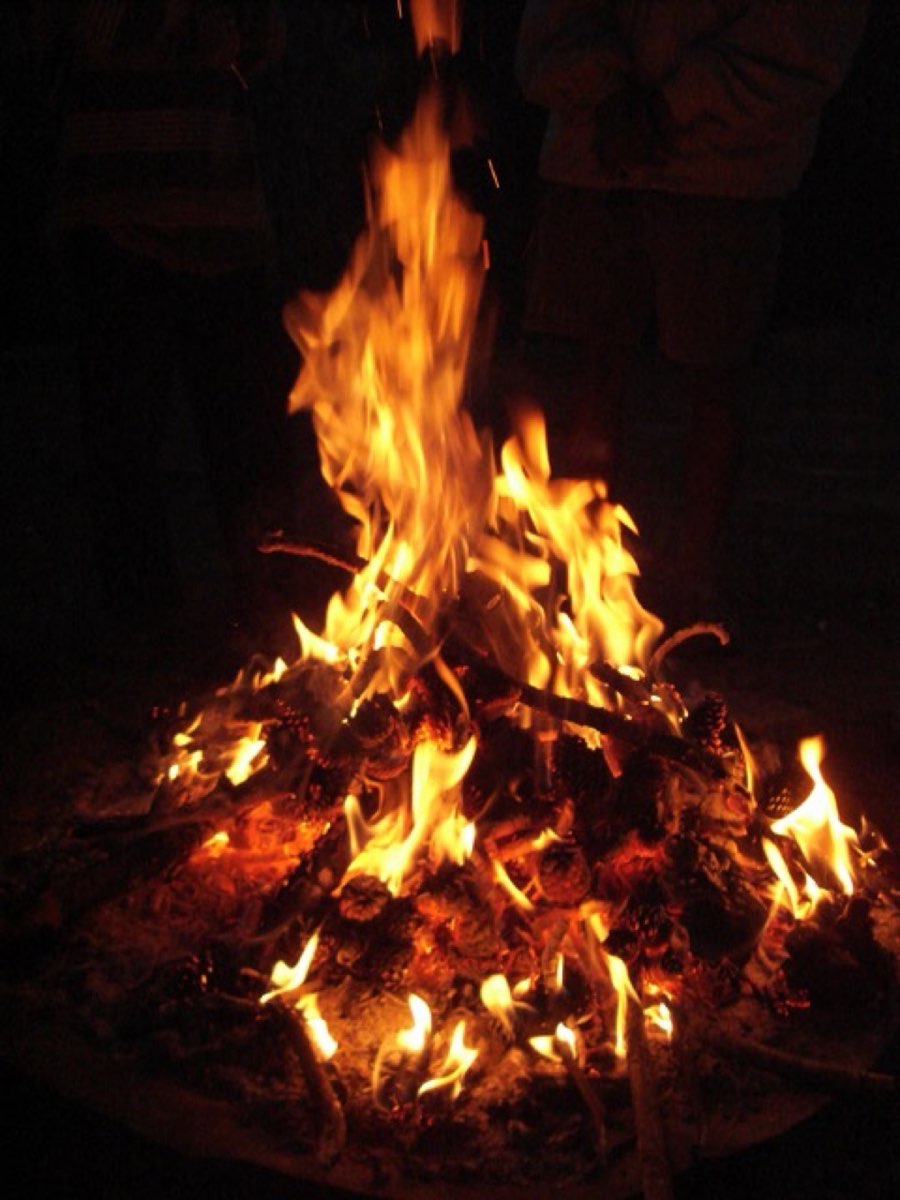
Campfires, where allowed
- Check for a fire ban before you go. Bans are common through summer and the fines are serious.
- Buy firewood locally, within about 80 kilometres. Moving wood moves tree-killing insects, which is why most parks forbid it. You cannot cross the USA-Canada border with untreated wood.
- Use the existing fire ring. Do not build a new one.
- Have water beside the fire, and drown the ashes until they are cold to the touch before bed.
Before you light anything
- Canadian fire bans and danger ratings National fire situation, updated daily through the season. https://ciffc.net
- US fire restrictions Current restrictions by state and federal district. https://www.nifc.gov/fire-information/fire-restrictions
- Do not move firewood Why local wood matters, and where to buy it. https://www.dontmovefirewood.org
Common questions
- What should a beginner bring camping?
- A tent you have pitched once already, a sleeping mat with a real R-value, a bag rated below the expected low, a headtorch per person, warm dry sleep clothes and a rubbish bag. See the full checklist.
- What time should you arrive at a campsite?
- At least two hours before sunset. Pitching in the dark is how most first trips go wrong.
- Is it cold sleeping in a tent?
- It is if your mat is thin. Most of your heat loss goes into the ground, so an insulated mat matters more than an expensive sleeping bag.
- Can you always have a campfire when camping?
- No. Fire bans are common in summer and in drought, and many sites permit fires only in the provided ring. Check the park's current status the week you go.
Tip
Build the trip in Treader with the campground pinned and the drive leg in place, and it will tell you the arrival time honestly. That is the two-hours-before-sunset rule, enforced automatically.