
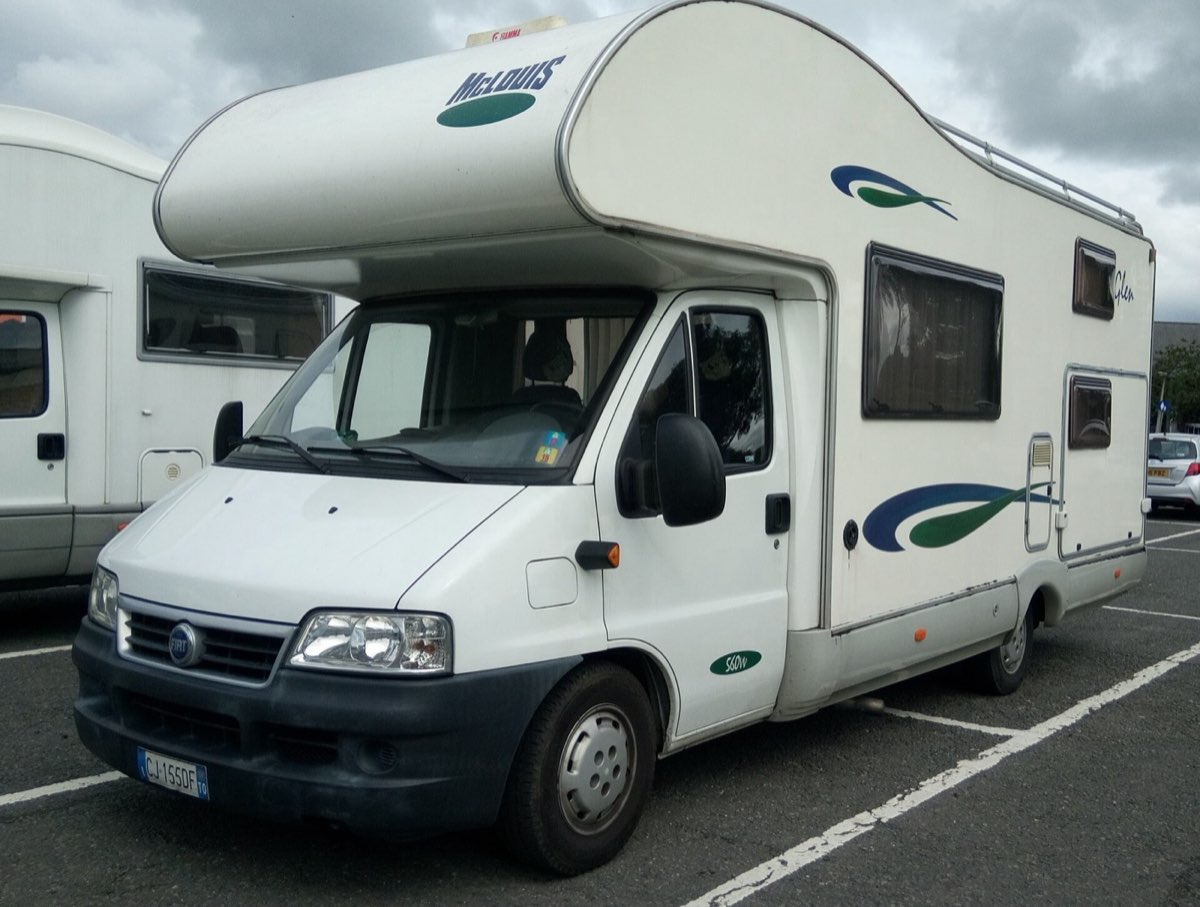
A campervan removes the tent problem and introduces a set of new ones, most of which are logistical rather than difficult. Water in, waste out, somewhere legal to sleep, and a vehicle taller than you are used to.
Water in, waste out
- Fresh water typically lasts two to four days for two people. Refill at campgrounds, service stations and many visitor centres.
- Grey water is sink and shower runoff. Black water is the toilet. They empty at a dump station, which most campgrounds and many fuel stops have.
- Never empty either on the ground. It is illegal nearly everywhere, and it is what gets vans banned from towns.
- Plan a service stop roughly every three days and it never becomes urgent.
- Cassette toilets can be emptied at more places than a fixed black tank, which is a real advantage on the road.
Where you are allowed to sleep
- Campgrounds are the reliable option, with hookups for power and water.
- Public land: national forest and BLM land in the US, and Crown land in much of Canada, generally allow free dispersed camping with rules that vary by district. See Free and low cost overnight spots.
- Businesses: some retailers, casinos and truck stops permit overnight parking. Ask rather than assume, since local bylaws override company policy.
- Cities generally do not allow it. Overnight parking bans are common and enforced, so plan urban stops as paid sites.
- Rest areas vary by state and province, from explicitly welcome to explicitly prohibited.
Driving the thing
- Know your height and write it on a note stuck to the dashboard. Low bridges, drive-throughs and car park entrances are the classic and expensive mistake.
- Plan wide turns and give yourself far more braking distance than a car.
- Fuel earlier than you would. Range drops sharply into a headwind or up a long grade.
- Some mountain and park roads have vehicle length restrictions, notably the switchbacks on the Takakkaw Falls road in Yoho and parts of Going-to-the-Sun Road in Glacier.
- Secure everything before moving. Anything loose becomes a projectile at the first hard stop.
Power
A leisure battery runs lights, a fridge and charging for a day or two. Solar extends that indefinitely in summer and barely helps in winter. Running the engine to charge is slow and unpopular with neighbours. If you rely on medical equipment or work online, book sites with hookups rather than trusting the battery.
Where you can legally stop
- BLM dispersed camping Rules for free camping on US public land, which vary by district. https://www.blm.gov/programs/recreation/camping
- US national forest camping Dispersed camping and developed sites on forest land. https://www.fs.usda.gov/visit/camping
- Recreation.gov Reservable sites with hookups and dump stations. https://www.recreation.gov
Common questions
- Where can you park a campervan overnight for free?
- On US national forest and BLM land, and on Crown land in much of Canada, subject to local rules. Some businesses permit it too. Cities almost universally do not.
- How often do you need to empty an RV waste tank?
- Every two to four days for two people, depending on tank size and shower use. Plan a dump station stop roughly every three days so it never becomes urgent.
- What is the difference between grey and black water?
- Grey water is sink and shower runoff. Black water is toilet waste. Both must be emptied at a dump station, never on the ground.
- Do you need a special licence to drive a campervan?
- For most rental campervans and RVs in the US and Canada, a standard car licence is sufficient. Very large motorhomes can exceed that threshold in some jurisdictions, so confirm with the rental company.
Tip
Put dump stations and water fills into your trip as real stops. They take time, they are not always where you expect, and a plan that ignores them becomes a scramble on day four.